

Renovating a home or office can transform your space, increase its value, and improve functionality. However, it requires careful planning, budgeting, and execution to achieve the desired results. Whether you’re refreshing a single room or overhauling an entire property, this guide outlines key steps to ensure a smooth renovation process.
1. Define Your Goals and Vision
Before starting, clarify what you want to achieve with your renovation. Are you updating an outdated space, increasing functionality, or boosting property value? Consider the following:
- For Homes: Focus on comfort, aesthetics, and lifestyle needs (e.g., creating an open-plan kitchen or adding a home office).
- For Offices: Prioritize productivity, employee comfort, and brand representation (e.g., modern meeting rooms or ergonomic workstations).
- Create a mood board or gather inspiration from platforms like Pinterest or Houzz to visualize your ideas.
2. Set a Realistic Budget
Establishing a budget is critical to avoid overspending. Follow these steps:
- Estimate Costs: Research average costs for materials, labor, and permits in your area. For example, a kitchen renovation might range from Kshs 200,000 to 500,000, depending on scope.
- Include a Contingency: Set aside 10-20% of your budget for unexpected expenses, such as structural repairs or price increases.
- Prioritize Spending: Allocate funds to high-impact areas, like kitchens or reception areas, that add the most value.
3. Plan and Design the Space
A well-thought-out plan prevents costly mistakes. Consider these tips:
- Hire Professionals: For complex projects, consult an architect or interior designer to create detailed plans.
- Space Optimization: Ensure the layout maximizes space and functionality. For offices, consider open-plan designs or flexible workstations. For homes, think about storage solutions and flow.
- Permits and Regulations: Check local building codes and obtain necessary permits, especially for structural changes or electrical/plumbing work.
4. Choose the Right Contractors
Selecting reliable professionals is essential for quality work:
- Research and Vet: Look for licensed, insured contractors with good reviews. Ask for references and view past projects.
- Get Multiple Quotes: Compare at least three quotes to ensure competitive pricing.
- Sign a Contract: Ensure the contract includes timelines, payment schedules, and a detailed scope of work.
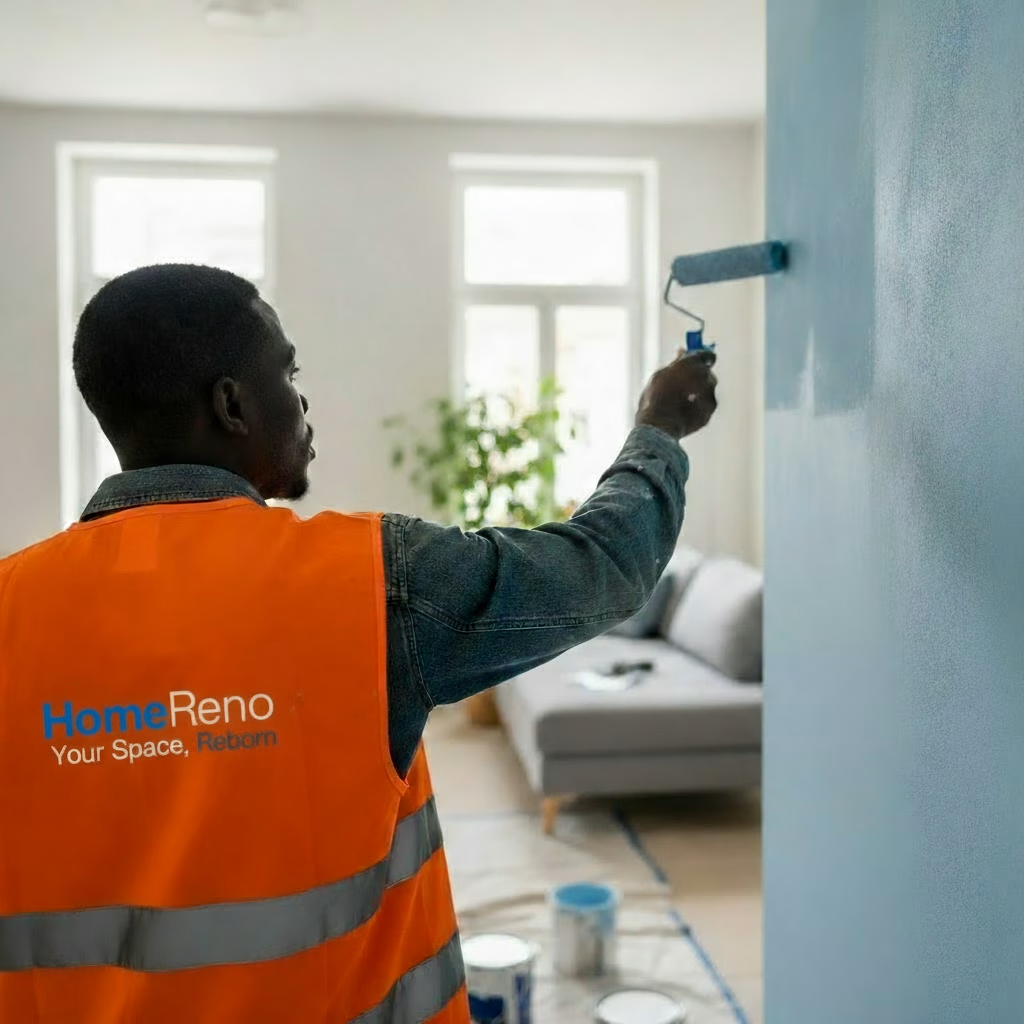
5. Select Quality Materials
- For Homes: Opt for durable flooring (e.g., hardwood or porcelain tiles) and energy-efficient appliances.
- For Offices: Choose professional-grade furniture and soundproofing materials for meeting rooms.
- Sustainability: Consider eco-friendly options like reclaimed wood, low-VOC paints, or energy-efficient lighting to reduce environmental impact.
The materials you choose impact both aesthetics and durability:
6. Manage the Renovation Process
Staying organized during the renovation minimizes stress:
- Create a Timeline: Work with your contractor to establish a realistic schedule. A small home renovation might take 4-8 weeks, while an office overhaul could take 3-6 months.
- Communicate Regularly: Schedule weekly check-ins with your contractor to monitor progress and address issues.
- Prepare for Disruptions: For home renovations, set up a temporary kitchen or living space. For offices, consider remote work options or phased renovations to maintain operations.
7. Add Personal Touches
Once the major work is done, focus on details that make the space yours:
- For Homes: Incorporate custom decor, artwork, or smart home features like automated lighting.
- For Offices: Add branding elements, such as logo displays or company colors, to create a cohesive look.
- Lighting: Use a mix of ambient, task, and accent lighting to enhance the space’s mood and functionality.

8. Inspect and Finalize
Before wrapping up, ensure everything meets your expectations:
- Conduct a Walkthrough: Check for any issues, such as uneven paint or faulty fixtures, and address them with your contractor.
- Test Systems: Verify that plumbing, electrical, and HVAC systems work correctly.
- Clean Up: Arrange for a thorough cleaning to remove dust and debris before moving in.
9. Maintain Your Renovated Space
To keep your space looking fresh:
- Regular Upkeep: Clean surfaces, maintain appliances, and address minor repairs promptly.
- Update Periodically: Refresh paint or decor every few years to keep the space modern.
- Document Changes: Keep records of renovations for future reference, especially for resale or insurance purposes.
Final Thoughts
A successful home or office renovation requires careful planning, clear communication, and attention to detail. By setting goals, budgeting wisely, and working with trusted professionals, you can create a space that’s both functional and inspiring. Start your project with confidence and enjoy the transformation!